Phonemic awareness
Hear, identify and work with individual speech sounds.
Home-based phonics classes · Punggol, Singapore
Structured Nursery–Primary 1 phonics lessons that build strong foundations and prepare children confidently for Primary 1 reading, spelling and grammar.
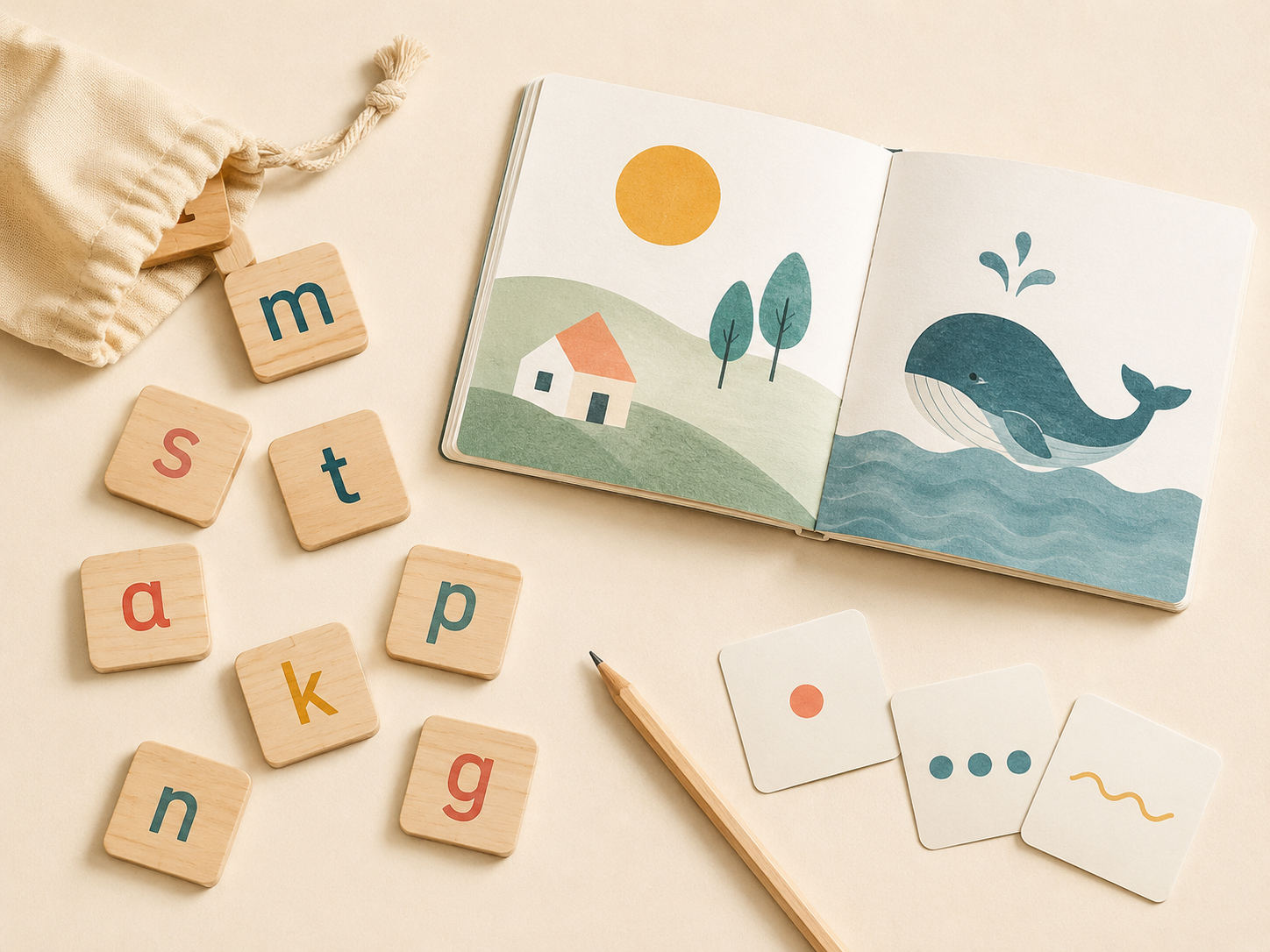
Sounds to Stories
Children learn grapheme–phoneme correspondences, blend to decode words and segment to encode spellings. Connected text begins early, while irregular high-frequency words are taught carefully: read all; spell few.
Hear, identify and work with individual speech sounds.
Blend phonemes to read and segment words to spell.
Apply taught patterns in sentences and meaningful stories.
Our six-stage phonics pathway
Progress is based on skill mastery, not rushing through a fixed timetable.
Letter identification and formation, pure letter-sound pronunciation, phonemic awareness and secure grapheme–phoneme correspondence.
Oral blending and segmenting, decoding and encoding three-sound CVC words across all short vowels. Children begin decodable sentences and stories, alongside selected high-frequency words.
Magic-e and common long-vowel spellings. Children build automaticity and begin reading a wider range of unfamiliar words and storybooks.
Initial and final two- and three-consonant blends. Children practise longer CCVC, CVCC and CCCVC word structures without adding extra sounds.
Consonant digraphs, vowel digraphs and teams, diphthongs, r-controlled vowels, alternative spellings, longer words and irregular “tricky” words.
Reading fluency, spelling, sentence construction, grammar, comprehension and written-expression practice for a confident transition to Primary 1.
A clear starting point
The assessment is a relaxed, child-friendly check—not a test your child must pass. I begin with your child’s current phonics knowledge and gradually check reading skills from the early stages onwards.
At each stage, I observe what your child can do confidently and where support may be needed. When the skills are secure, I move on to check the next stage. This continues until I identify the level most suitable for your child.
Lessons begin at the right level. Earlier skills may be briefly revised to close any gaps before moving forward with confidence.
Reading beyond the lesson
Once Stage 1 foundations are secure, parents are encouraged to provide suitable published decodable storybooks. During Stage 2, children read these alongside my own short, carefully sequenced stories. This gives them early experience of reading unfamiliar books—not only familiar worksheets or class materials.
Children progress gradually from Level 0 to Level 4 as their decoding, fluency and understanding develop, building strong readiness for Primary 1 reading.
Why reading confidence matters
A child who can read fluently and understand what they read can approach classroom instructions, story passages and written tasks with greater confidence. English comprehension also matters in Mathematics: children need to understand the language of a word problem before deciding how to solve it.
Our goal is a confident transition to Primary 1—not pressure or rushing.Classes in Punggol, Singapore
Lessons are adapted to what each child can already hear, read and spell—not simply their age.
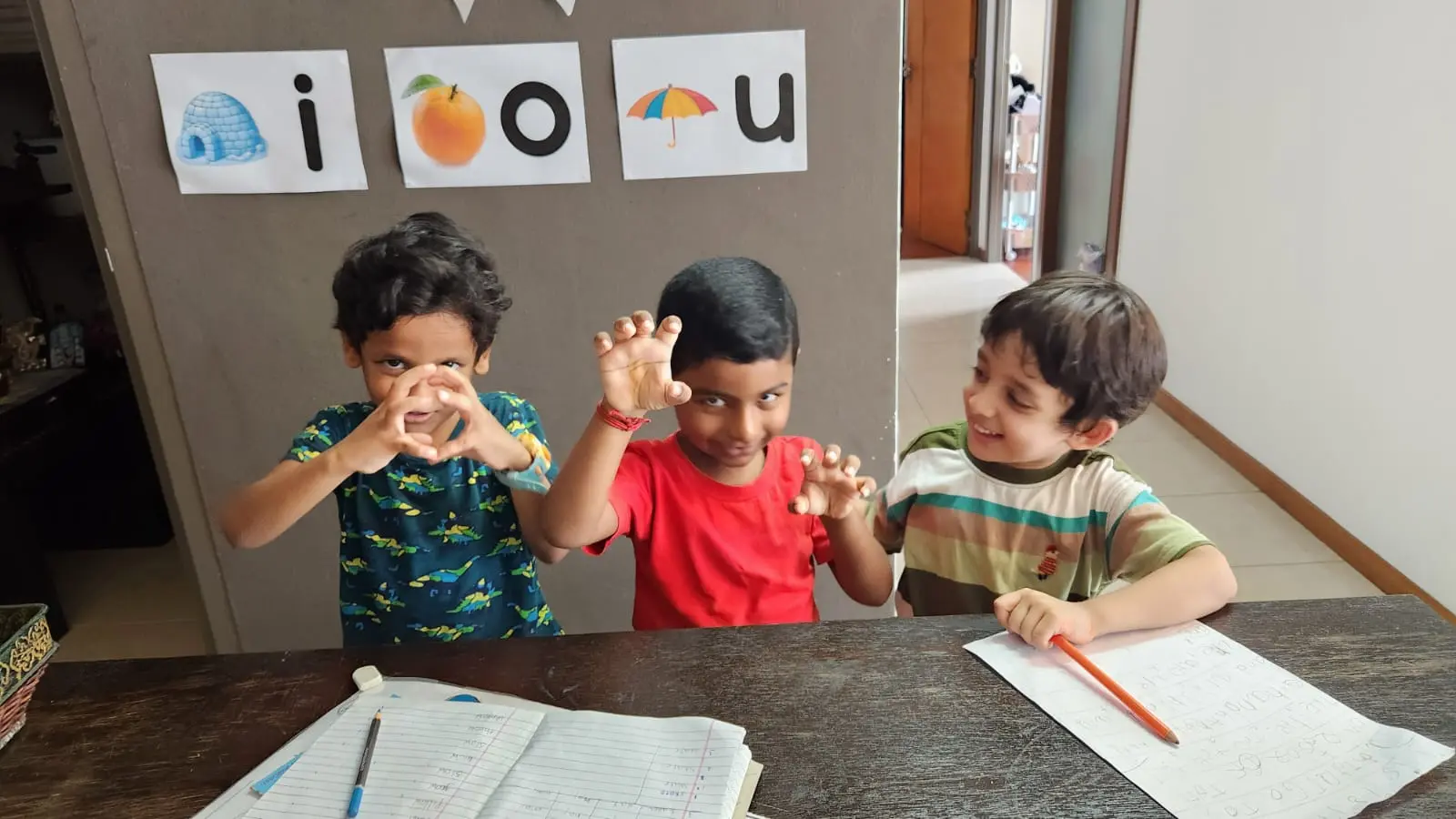
Foundation phonics through structured Primary 1 preparation.
Individual attention and a child-paced learning sequence.
Up to three children for purposeful practice and participation.
A clear update on what your child learnt, practised and is working towards next.
Parents are part of the learning journey
Parents know the child’s current phonics stage, the skills being developed and the next learning goal. After each class, you receive focused feedback with simple instructions for useful home practice and how to help your child arrive prepared for the next phonics session.
Created from classroom experience
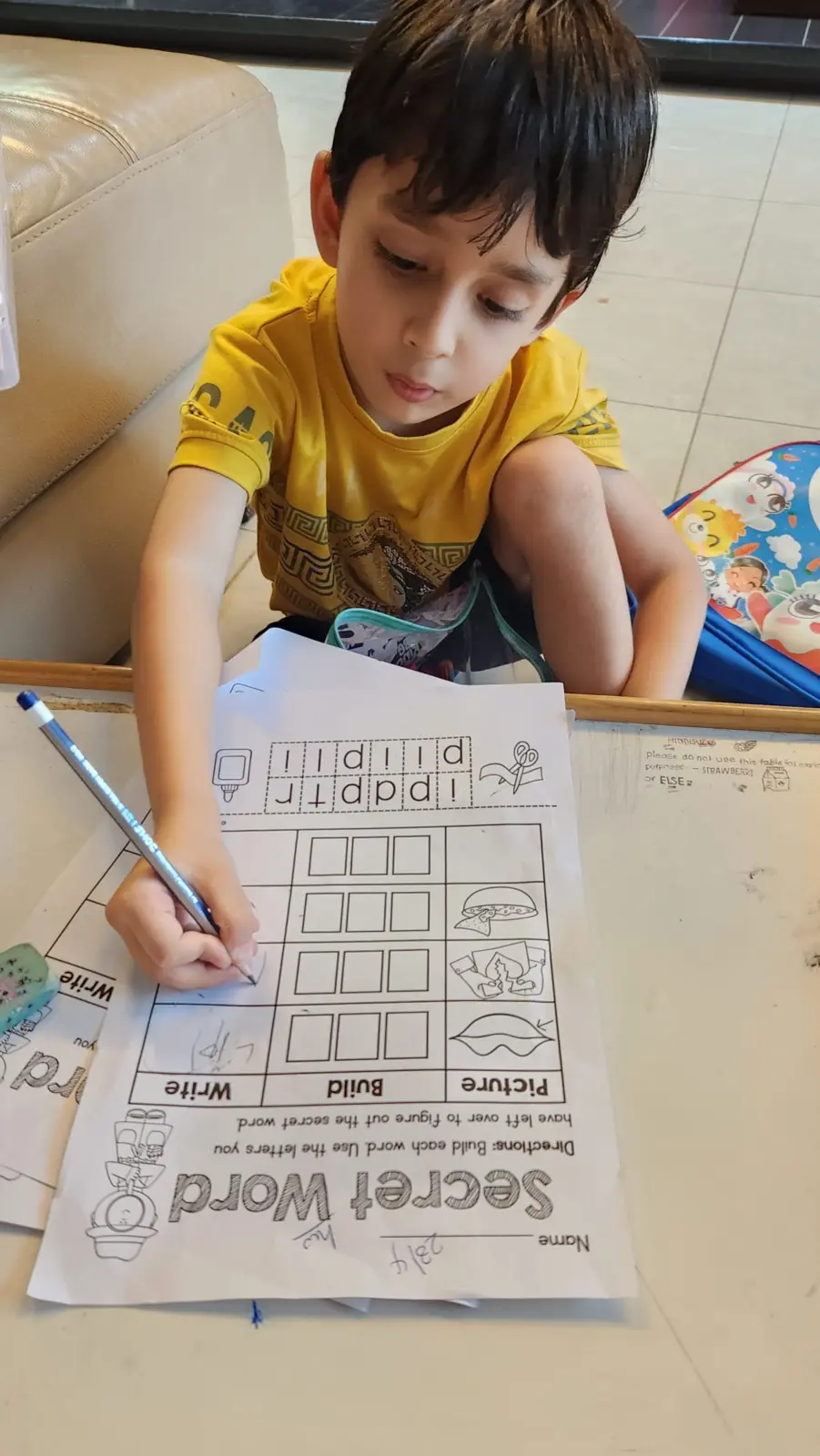
After working with many available worksheets, I often found that they did not provide the clear, connected progression my learners needed. That led me to begin developing my own phonics worksheets and structured curriculum.
Curriculum development is careful, ongoing work. Several stages are already in use, supporting children as they progress from early letter-sound foundations to blending words and reading stories. Each resource is designed to match what is taught in class and give children purposeful practice at the right level.
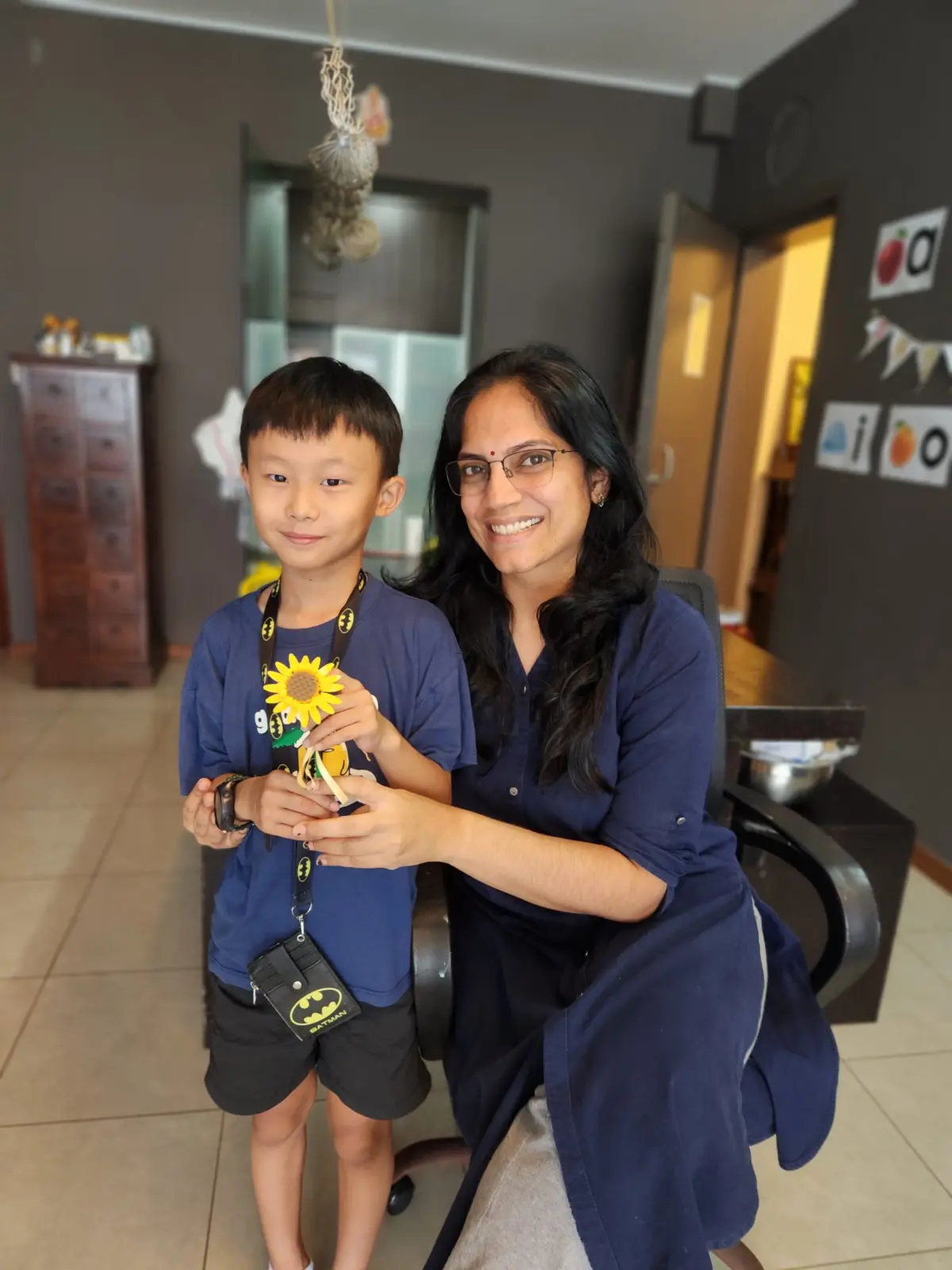
Meet Miss Yamuna
I’m Yamuna Reddy, an LTTC-certified phonics teacher with TESOL training and a Master’s in English Literature. I have been teaching phonics for five years and have also taught at a Singapore enrichment centre. I help children understand how reading works—and keep parents clear about what we are learning and why.
Ready to begin?
Share your child’s age and what they can currently read. I’ll guide you on the suitable next step.
Message @momsandphonics ↗